
Silicone and TPE have become the new favorites for modern chastity users. For years, metal and hard plastic were the default choices, but times are changing. More people now search for the best material for chastity cage, and soft, body-safe options are at the top of the list. The rise of silicone and TPE shows how comfort, safety, and innovation can transform the way Chastity Devices are designed and enjoyed.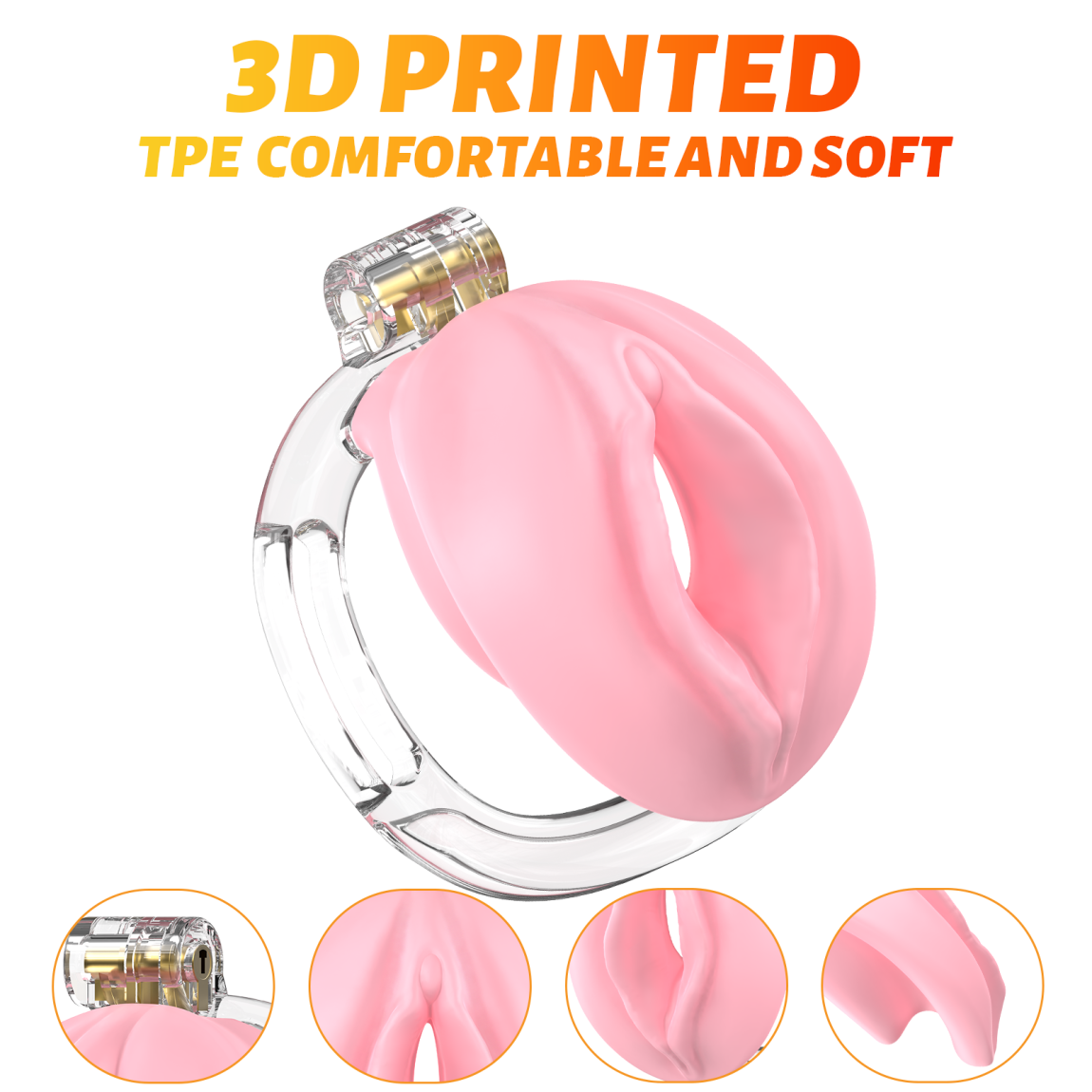
Silicone is a medical-grade, hypoallergenic material often used in health and wellness products. It is soft to the touch, flexible, and highly durable. For chastity use, silicone offers a smooth experience that reduces irritation during long wear.
TPE, or Thermoplastic Elastomer, is a softer, more elastic material. It mimics the feel of skin, making it one of the most comfortable options. TPE cages often provide flexibility and cushioning that metal or rigid plastic cannot.
A chastity cage is often worn for hours or even days. Comfort is critical. Soft materials like silicone and TPE reduce chafing and allow natural movement.
Skin sensitivity varies from person to person. Many users find that silicone and TPE are less likely to cause allergic reactions compared to cheaper plastics or poorly finished metals.
Metal cages can be heavy. While they provide strength, they may feel restrictive for long-term wear. Silicone and TPE are lightweight, making them easier to wear without constant adjustment.
Chastity Devices are not only about restriction. They play a role in intimacy, trust, and personal exploration. The material choice affects how enjoyable the experience can be.
Soft materials make it possible for users to integrate chastity into daily life more comfortably. Silicone and TPE offer discreet wear, making them ideal for both private and public settings.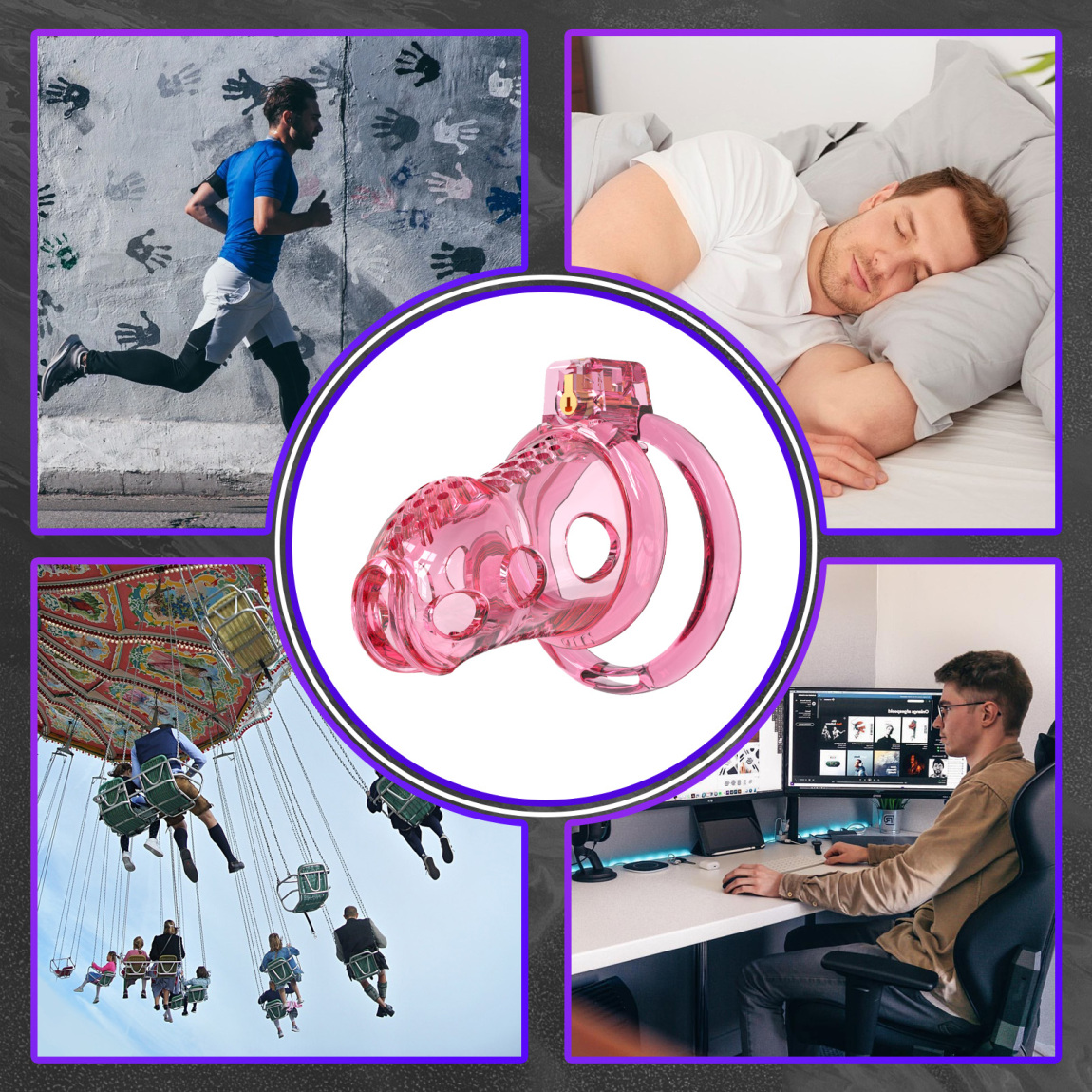
As demand grows, designers are experimenting with hybrids that mix durability with softness. This evolution shows how materials are reshaping the future of chastity play.
Silicone: Flexible, body-safe, light.
Metal: Strong, secure, long-lasting.
Silicone is easier for beginners, while metal is favored by advanced users seeking maximum security.
TPE: Soft, skin-like, elastic.
Plastic: Cheap, rigid, may cause irritation.
TPE wins in comfort and wearability, especially for extended sessions.
Some cages combine metal rings with silicone or TPE shafts. These designs aim to balance security with comfort, giving users the best of both worlds.
The softness of these materials allows a wider range of motion. This makes them more forgiving during physical activity.
Users can put on and remove silicone and TPE cages with less effort. The elasticity helps avoid pinching or harsh edges.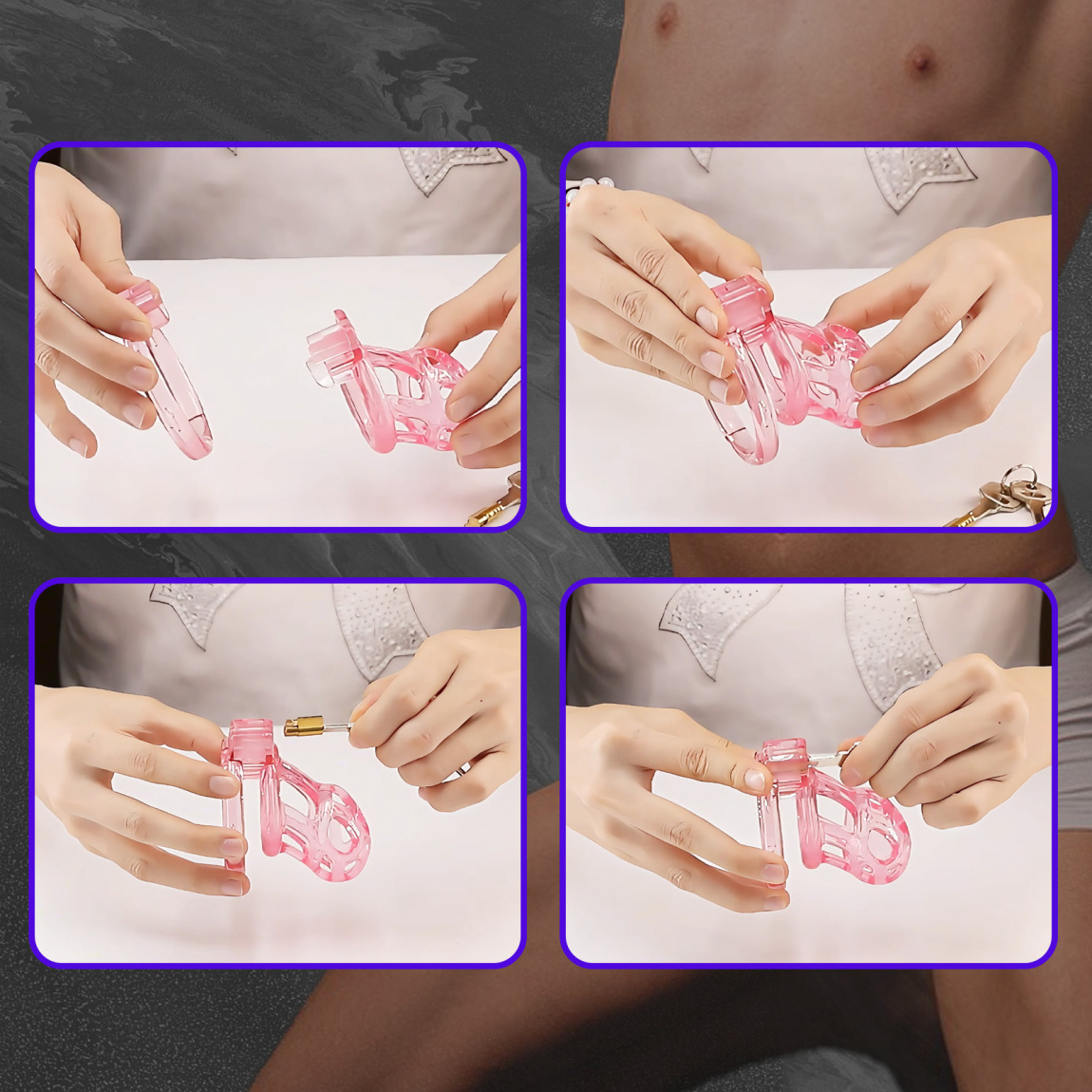
Soft material cages often look less intimidating than heavy metal. For beginners, this reduces anxiety and makes the first experience more approachable.
Compared to premium steel, silicone and TPE cages are budget-friendly. This affordability allows newcomers to experiment without heavy investment.
Silicone and TPE may wear down faster than stainless steel. Frequent use can reduce elasticity over time, especially with TPE.
Soft materials can absorb moisture if not properly sealed. Regular cleaning is essential to maintain hygiene.
Metal cages remain the most secure. Silicone and TPE can be flexible enough to allow some escape, which may not suit all users.
Despite the drawbacks, silicone and TPE strike a balance between comfort and functionality. For beginners, or for those prioritizing comfort, these materials often feel like the best material for chastity cage. They enable users to wear Chastity Devices longer, integrate them into lifestyle play, and enjoy the experience without unnecessary pain or discomfort.
New users often start with silicone or TPE because the learning curve is easier. They provide a gentle introduction compared to heavy or rigid devices.
Those interested in extended chastity often praise these materials for reducing irritation. While they may later experiment with metal, silicone and TPE remain a common part of their collection.
Websites like RUPIPI CHASTITY highlight the growing trend by offering a wide range of silicone and TPE options. By making these devices accessible, they play a role in shaping consumer preferences.
Rupipi chastity provides users with information and products that showcase the advantages of modern materials. By focusing on silicone and TPE, the site demonstrates how comfort and safety are influencing the future of Chastity Devices. For many, this platform is where they first discover why soft materials are reshaping expectations in the chastity community.
Silicone and TPE are reshaping the world of Chastity Devices. Their comfort, affordability, and skin-friendly properties make them the most popular choices for those seeking the best material for chastity cage. While metal and rigid plastic still hold their place, the growing demand for softer, more adaptable cages shows where the future is heading.
For both beginners and long-term users, silicone and TPE deliver experiences that balance tradition with innovation. By embracing these materials, brands and users alike ensure that chastity remains not just about control, but also about comfort and personal choice.
FAQ1
Q: Are metal or plastic chastity cages better?
A: Metal cages are strong, durable, and secure, making them ideal for experienced users seeking long-term wear. Plastic or silicone options are lighter and more comfortable, especially for beginners. The best choice depends on whether you value comfort or maximum security.
FAQ 2
Q: How long can I leave a chastity cage on?
A: Wear time varies by material, fit, and personal comfort. Many users start with a few hours and gradually increase to a day or longer. Silicone and TPE cages are often suited for extended wear due to flexibility, while metal cages may require more adjustment breaks. Hygiene and skin health should always guide duration.
FAQ 3
Q: Does a chastity cage prevent getting hard?
A: A chastity cage restricts full erections by limiting space. While the body may still respond physically, the cage prevents expansion, keeping arousal under control. Softer materials like TPE provide cushioning, while metal offers firm restriction.
FAQ 4
Q: What are the long-term effects of wearing a chastity cage?
A: Long-term use may increase discipline, strengthen intimacy in relationships, and create psychological benefits linked to control and trust. Physically, effects vary depending on duration, material, and hygiene. With proper care and breaks, most users wear cages safely without harm.