
Finding a comfortable long term chastity device is about more than endurance or control — it's about health, comfort, and practicality. The wrong cage can lead to pain, skin irritation, or circulation issues. The right one, however, makes extended wear truly sustainable.
This guide explains how to choose the best long-term chastity cage, focusing on comfort, hygiene, and design details that help users wear safely for weeks or even months.
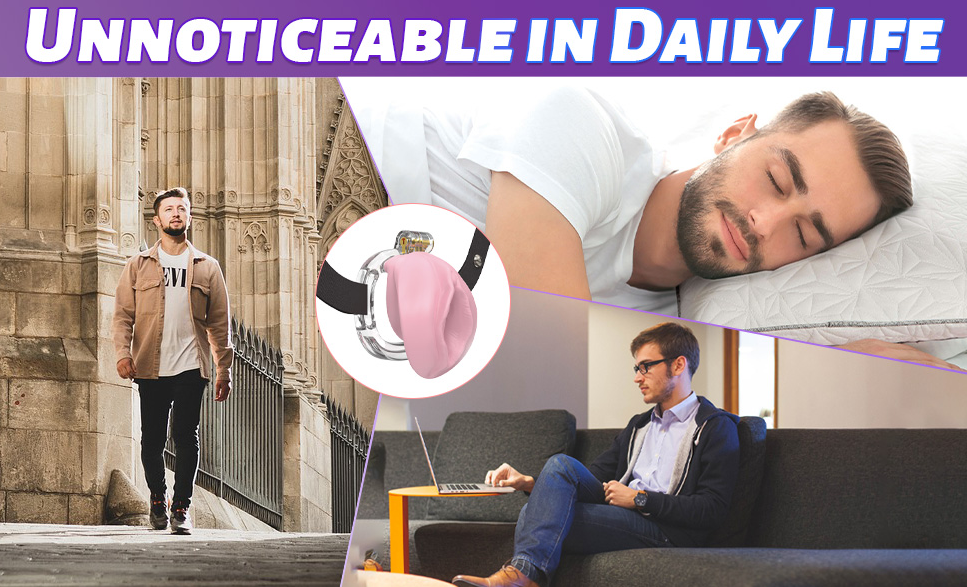
Wearing a chastity cage for a few hours is easy; wearing it for days requires a balance of comfort and safety. A proper design allows your body to adapt and function normally during daily life.
Prevents friction, redness, or sores
Allows comfortable sitting, walking, and sleeping
Reduces medical risks such as restricted circulation
A comfortable chastity cage lets wearers stay focused on their lifestyle — not the discomfort.
👉 Pro Tip: For long-term chastity, stainless steel or medical-grade plastic cages provide the best balance between comfort, hygiene, and durability.

Small holes or slots improve airflow, keeping the skin dry and minimizing sweat buildup. At least 3–5 openings are recommended for multi-day wear.
A well-contoured design follows the natural contours of the body, preventing unnecessary pressure on sensitive areas and allowing for normal movement when sitting or sleeping.
Fine-tuning the ring size is key. Being too tight can cause numbness or bruising, while being too loose can lead to slipping or chafing. Always test several ring sizes before committing to full-time use.
Smooth padlocks or integrated pins prevent accidental release without digging into the skin. Avoid sharp edges or bulky locks that press into the groin during sleep.
One of the most common mistakes in long-term chastity is neglecting hygiene. Sweat, moisture, and bacteria can cause rashes or infections if not appropriately managed.
💡 Pro Tip: Apply a thin layer of fragrance-free moisturizer or talc-free powder around contact points to prevent chafing.
Comfort alone is not enough. Safety must be the priority for anyone considering long-term lock-up.
Check circulation: The penis and surrounding skin should never turn purple or cold.
Monitor skin condition: Redness or sores are signs the cage is not suitable.
Take breaks when needed: Even the best cages should not be worn endlessly without rest.
Comfort means nothing without safety. Constantly monitor your body for warning signs.
Long-term chastity should enhance intimacy and self-discipline, rather than causing harm. Safety always comes first.
Long-term chastity isn't only physical — it requires mental and emotional balance.
Feeling safe and supported mentally makes long-term wear more sustainable and satisfying.
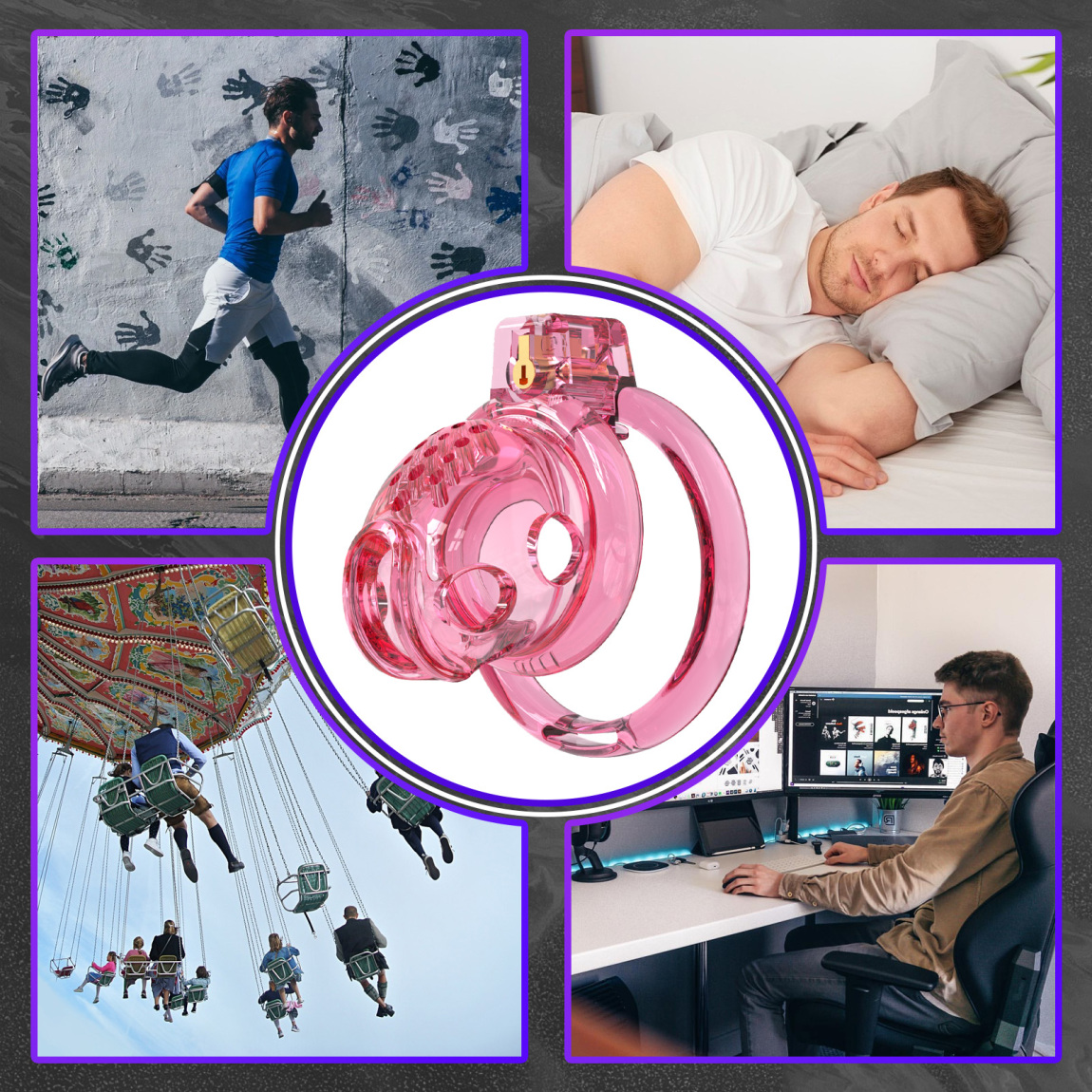
Test it for short periods before extending wear
Begin with a few hours at a time. Gradually increase the duration as your body adjusts, instead of rushing into long lock-ups.
Check skin condition after each session
Look for redness, swelling, or irritation. Early signs of skin stress should not be ignored, as they can develop into sores if left untreated.
Adjust ring size until it feels snug but not painful
A correct fit should hold the cage securely without cutting off circulation. Too tight can cause numbness, too loose can lead to slipping or pinching.
Practice hygiene routines while wearing it
Daily cleaning with mild soap and water is essential. Using antibacterial wipes in between washes can also keep things fresh and reduce the risk of infection.
Listen to your body—any numbness or sharp pain means the cage is unsuitable
Discomfort is different from pain. If you feel burning, pressure points, or lasting soreness, it is a clear signal to stop and try another size or design.
The ideal chastity cage for long-term wear combines an ergonomic design, a breathable structure, medical-grade materials, and easy access for hygiene. Each wearer's anatomy and lifestyle differ, so experimentation is key.
Brands like RupipiChastity design long-term chastity cages that emphasize safety, skin-friendliness, and discreet wear — ideal for users seeking both comfort and control.
With the right fit and proper care, long-term chastity can evolve from a challenge into an enriching experience built on trust, endurance, and personal growth.