
Starting chastity for the first time can be both exciting and overwhelming. A successful experience begins with proper body and mind preparation. Understanding how to prepare physically and mentally helps prevent discomfort, anxiety, or early failure.
Unlike long-term users, beginners need gradual adaptation and clear guidance. Preparation enhances chastity cage efficacy — ensuring comfort, safety, and emotional balance from the outset.
Core goals of first-time preparation:
Before locking in, mental readiness is the foundation. Chastity challenges self-control and patience — understanding your emotions before you start helps maintain confidence and comfort.
Ask yourself why you want to begin chastity — for discipline, intimacy, or self-exploration. Having a purpose strengthens mental stability and makes the practice meaningful.
Many first-timers experience restlessness or frustration during the first few days. Accept that your body will react — adaptation is a natural process. Prepare mentally for minor setbacks.
When engaging in chastity with a partner, discuss boundaries and safety words beforehand. Emotional trust greatly enhances the benefits of a chastity cage, creating a shared sense of control and intimacy.
Physical readiness helps prevent injuries and fosters comfort. The most common beginner issue is chastity cage discomfort for first-timers, usually caused by wrong sizing or friction.
Proper sizing is crucial for safety and comfort. Follow these steps:
💡 Tip: Try different spacers or rings during the first week to find your ideal setup.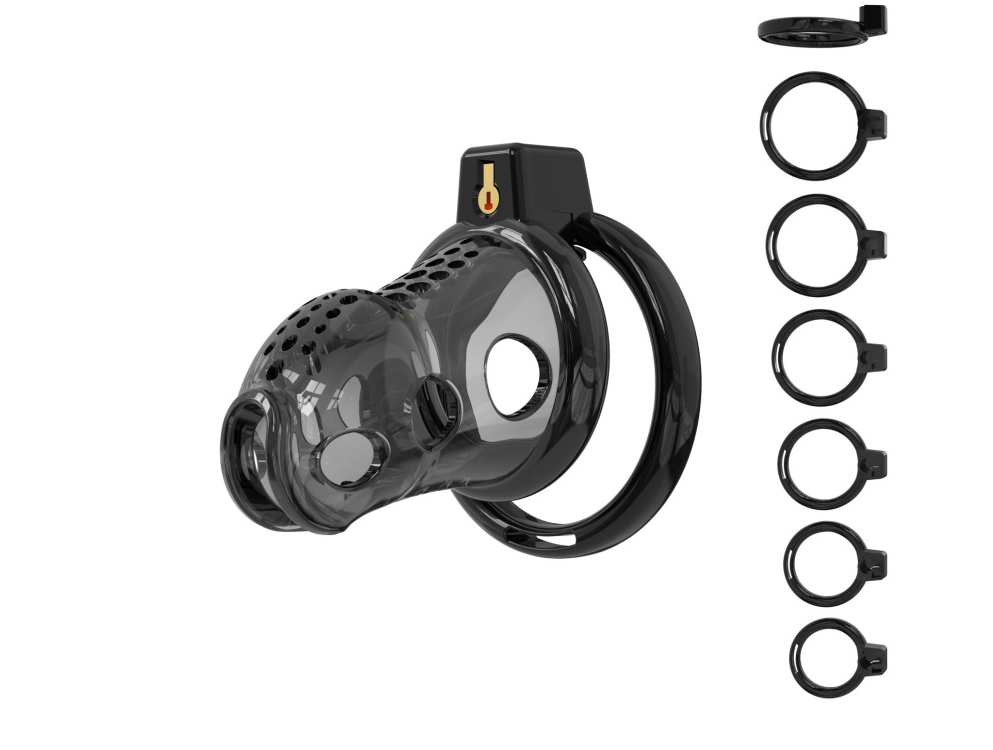
Lubrication is essential for skin protection and comfort. For first-time wearers:
Clean the device and your skin twice a day using mild soap and warm water. Proper hygiene prevents irritation and odor buildup.
Avoid wearing the cage full-time immediately. Follow a short-term adaptation plan:
This method ensures safety while allowing your body to adapt naturally.
Once you've adequately prepared, the efficacy of a chastity cage becomes clear. Its effects are both physical and psychological, helping you control desire and build discipline.
Top benefits of a chastity cage:
These benefits are magnified when beginners approach chastity with preparation and mindfulness.
Every issue can be solved with patience and minor adjustments.
Your first-time chastity preparation sets the foundation for a comfortable, rewarding experience. When approached with proper sizing, hygiene, and mindset, the benefits of a chastity cage extend far beyond physical control — they reshape how you view discipline, connection, and confidence.
Accurate measurement is crucial for comfort and safety.
Use a soft measuring tape to measure two areas:
Measure while completely flaccid, never during erection.
Subtract about 1–1.5 cm for a secure fit, and round to the nearest 0.5 cm.
This ensures your first-time chastity cage feels snug but not restrictive.
Start slow. On days 1–2, wear your cage for 2–4 hours per session.
Gradually increase to 6–8 hours by day 3–4 once your skin adjusts.
Avoid sleeping in the cage or wearing it for more than 12 hours in the first week.
This gradual approach helps prevent soreness and allows your body to adapt naturally to beginner chastity wear.
Mild tightness or pressure is expected — your body is learning something new.
However, pain, numbness, or purple/blue skin are warning signs.
If these occur:
A proper fit and good hygiene can prevent most first-time chastity discomfort issues.
Use a water-based lubricant — it's safe for plastic, silicone, or metal cages, easy to clean, and gentle on skin.
Avoid oil-based lubricants, such as coconut oil or baby oil, which can trap bacteria and degrade materials.
Reapply after cleaning or long wear sessions to avoid chafing or dryness.
Open communication builds trust. Start by sharing why you want to try it — whether for self-discipline, emotional connection, or curiosity.
Avoid framing it as a demand. Instead:
This turns chastity into a shared exploration, not a restriction.
Clean your chastity cage and skin twice a day, in the morning and evening.
Use mild, fragrance-free soap with warm water.
Once daily, remove the cage briefly for thorough cleaning.
Regular hygiene helps prevent odor, bacterial buildup, and skin irritation, especially for beginners wearing lightweight cages.
You can shower safely while wearing the cage; avoid direct hot water or harsh soap.
For exercise, wait until you're used to the device.
During your first week, avoid high-impact workouts, such as running or cycling, as these can cause shifting or pinching.
Gentle activities, such as walking or yoga, are suitable for early adaptation.