
Male chastity devices have long been associated with cold, rigid metal and a one-dimensional view of control. Historically, these devices served a clear purpose: to restrict and confine. However, modern designs have sought to shift this narrative, integrating new materials and features that prioritize comfort, safety, and psychological well-being.
This article will explore the evolution of male chastity devices, focusing on how modern designs, particularly those using silicone and innovative structural features, address three major concerns: comfort, hygiene, and safety. By examining the progression of these devices, we can understand how they have transformed from tools of sheer restraint into items that emphasize both physical and emotional security.
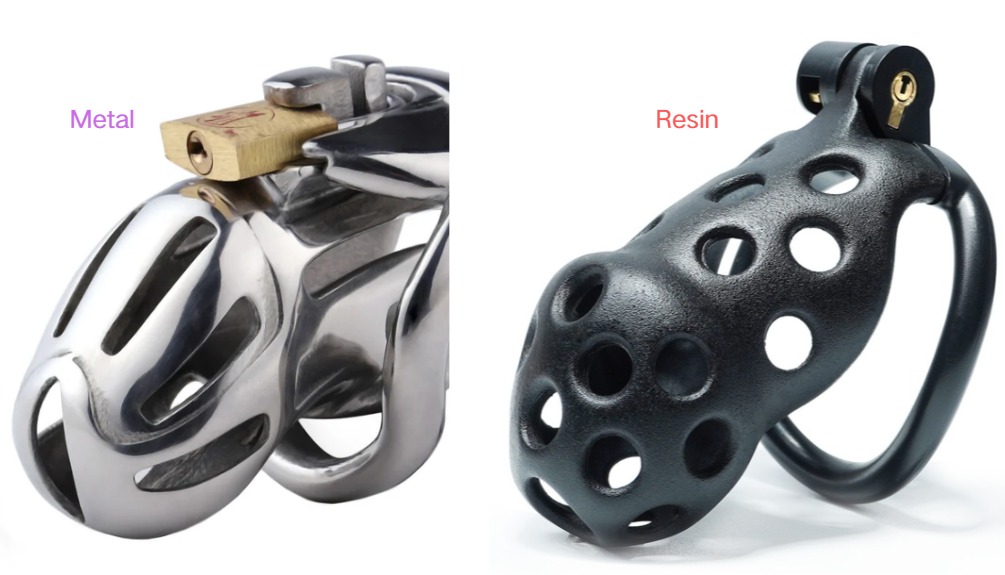
Advantages:
Strong, secure, and easy to clean.
Offers a sense of physical control and dominance, which many users value.
Challenges:
Metal devices are often heavy, cold, and uncomfortable, especially when worn for extended periods.
A lack of flexibility can result in friction, discomfort, and potential skin irritation during physical activity.
While secure, metal chastity devices can create emotional or psychological discomfort for long-term users.
Advantages:
Lighter in weight and more customizable, especially with the advent of 3D printing technology.
It can be designed to fit the wearer more precisely and comfortably.
Challenges:
While more flexible than metal, these devices are still rigid and can cause discomfort for users with sensitive skin.
Some resin materials are prone to breakage or damage and lack the long-lasting durability of metals.
Users with allergies or skin sensitivities may experience irritation.
Early chastity devices featured fully enclosed tube-like structures, designed to contain the wearer completely. These designs offered a sense of security but posed significant challenges in terms of hygiene:
Challenges:
Lack of ventilation led to the accumulation of sweat and moisture, creating a breeding ground for bacteria.
Prolonged exposure to this humid environment often caused skin irritation, rashes, and infections.
As designers began to recognize the importance of hygiene, early attempts to address the issue involved adding small ventilation holes to the devices. While this was a step forward, the effectiveness was still limited.
Challenges:
The small holes did not provide sufficient airflow to prevent moisture build-up.
Users continued to experience discomfort due to prolonged exposure to a humid environment.
The key issue with early designs was poor ventilation, which resulted in trapped moisture and increased the risk of skin irritation and infections, particularly with prolonged wear.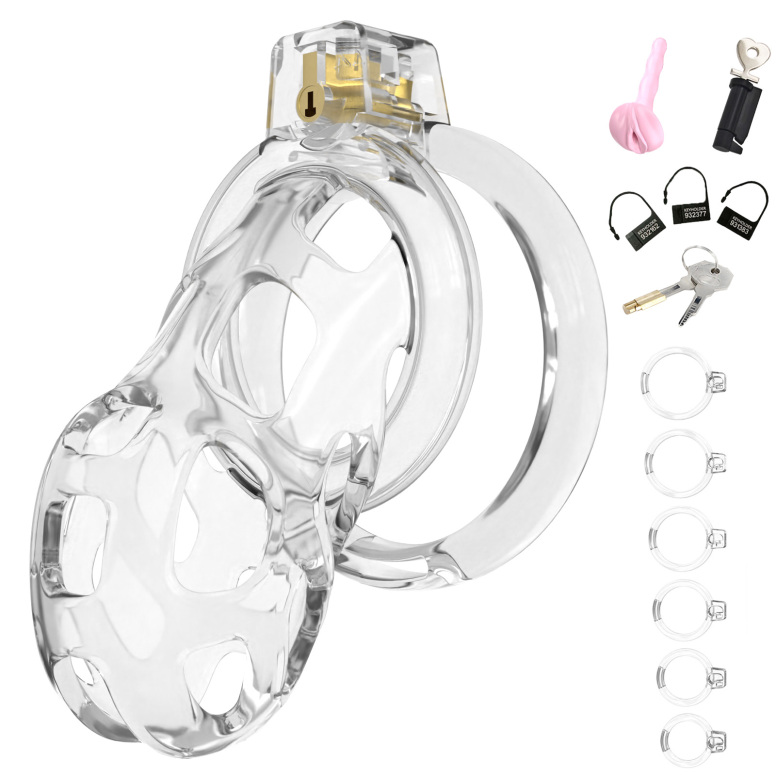
Early chastity devices relied on simple locking mechanisms, often standard padlocks. These systems, while secure, had inherent flaws:
Challenges:
If the key was lost, broken, or otherwise unavailable, the device became difficult or impossible to remove.
The focus was only on preventing unauthorized access, without addressing the need for emergency removal in urgent situations.
Modern devices have shifted toward adding redundancy in safety mechanisms. Dual-lock systems, including disposable locks, offer increased security while ensuring that the device can be safely removed if necessary.
Advancement:
The introduction of emergency release systems, such as disposable locks, provides a sense of security in the event of an emergency. These systems ensure that the wearer can remove the device if necessary, addressing the limitations of single-lock systems.
While redundancy improves safety, it is essential to note that no lock system is infallible. Locks can malfunction or fail, and no system can be guaranteed to work perfectly in all situations. The reliance on disposable locks may also introduce concerns about the lock's durability or effectiveness in an emergency. Thus, there is a potential conflict between safety and emergency accessibility that manufacturers should address.
One of the most significant developments in male chastity devices has been the shift from rigid materials to soft, flexible silicone. Silicone offers a far more comfortable experience, as it adapts to the body's contours and movements, reduces friction, and provides a more ergonomic fit.
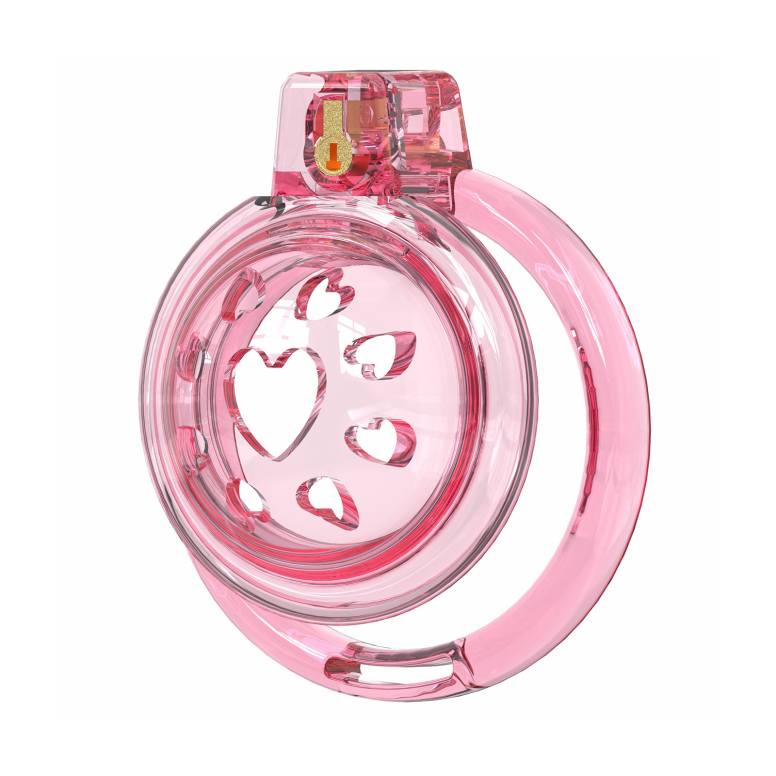
Benefits of Silicone:
Comfort: Silicone is more flexible than metals, significantly reducing friction and the discomfort associated with long-term wear.
Safety: Silicone provides a form of "flexible safety"—the material can absorb impacts in a way metal cannot, potentially reducing the risk of injury.
Long-Term Wearability: The softness and flexibility of silicone enable long-term wear, a feature that metal devices often struggle to achieve.
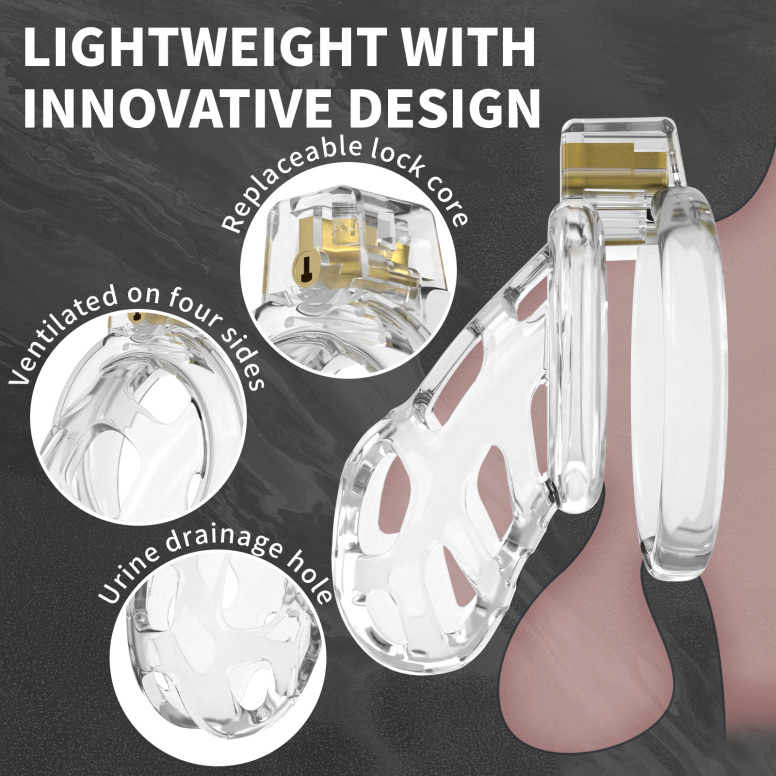
The most significant structural improvement in modern devices has been the integration of intricate designs that optimize breathability and reduce pressure points.
Key Features:
Breathability: Through innovative, hollowed-out designs, modern devices ensure optimal airflow, preventing the accumulation of sweat and moisture and promoting hygiene.
Lightweight: These designs are lighter and more comfortable, ensuring that wearers do not experience a sense of being "trapped" or restricted by the device.
Ergonomics: The focus on body contours and comfort ensures that users can wear devices for extended periods without discomfort.
Modern chastity devices now feature dual-lock systems and emergency release mechanisms, providing added safety for wearers.
Innovations:
Primary Lock (Brass or Stainless Steel): These locks are durable, rust-resistant, and provide long-term security.
Emergency Lock (Disposable Locks): These locks enable emergency removal while maintaining the primary lock's security, providing peace of mind.
While the evolution of male chastity devices has made them more comfortable and safe, the psychological and relational implications in BDSM dynamics should not be overlooked. In the BDSM community, chastity devices are often used to symbolize control, submission, and intimacy. However, the increasing comfort and safety of these devices have opened new possibilities for their use in consensual relationships.
Chastity devices can enhance the dynamics of BDSM relationships, fostering trust, submission, and intimacy. However, it is essential to acknowledge the potential psychological risks involved, particularly in unhealthy relationships.
Psychological Benefits:
Trust Building: The use of chastity devices can strengthen trust, as it requires vulnerability and reliance on the partner for emotional and physical safety.
Intimacy Enhancement: The comfort and safety of modern designs enable long-term wear, fostering greater emotional and physical intimacy.
While chastity devices can enhance relationships, they also introduce psychological risks. The power dynamics inherent in BDSM practices may lead to unhealthy control or coercion. The use of these devices should always be consensual, with clear communication between partners regarding boundaries, emotional well-being, and safety.
Potential Issues:
Psychological Pressure: Wearing a chastity device for long periods can place emotional and psychological pressure on the wearer, especially if the relationship is not built on mutual respect and communication.
Risk of Abuse: In non-consensual situations, devices like these can be used as tools of control or abuse, rather than as consensual mechanisms of trust.
The evolution of male chastity devices has reflected a shift from purely physical restraint to a more thoughtful consideration of comfort, safety, and emotional well-being. The transformation of materials—from rigid metals to flexible silicone, along with innovations in structure and safety —has helped redefine chastity devices as modern tools for intimacy and connection, rather than simply objects of control.
However, while modern devices offer significant improvements, it is crucial to recognize the potential drawbacks and risks that come with any device designed for long-term wear. As designs continue to evolve, manufacturers and users alike must remain aware of the psychological, physical, and ethical implications of chastity devices.