
A plastic chastity cage for beginners is the safest way to explore chastity play without discomfort or anxiety. Choosing the right size and style determines whether your first experience feels comfortable or frustrating. This updated guide covers everything — how to measure correctly, avoid pain, select materials, and choose the best plastic chastity cage for beginners.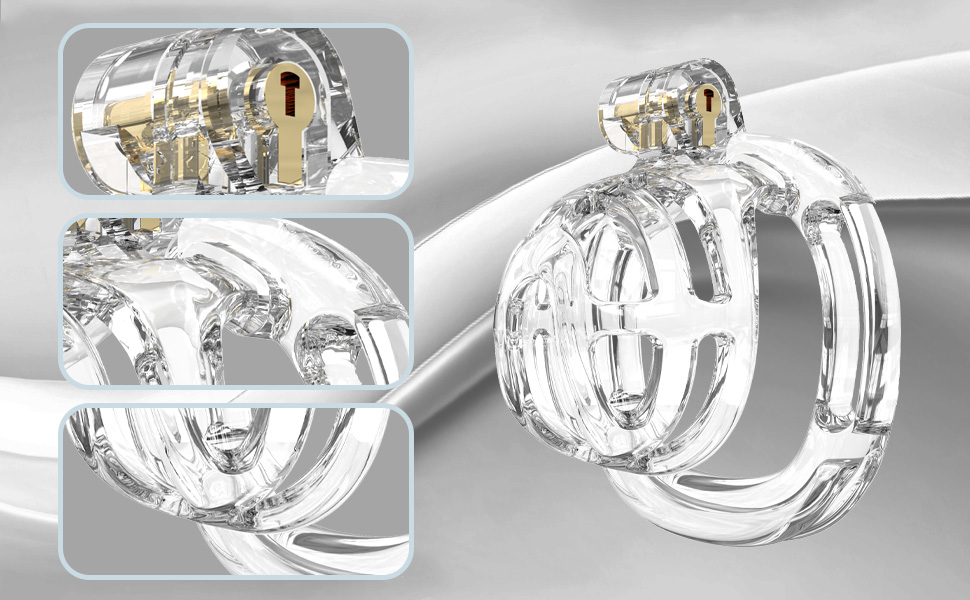
Plastic chastity devices are lightweight, breathable, and ideal for individuals just beginning their journey. They offer comfort and flexibility that metal cages often lack.
If you're new to chastity play, a comfortable beginner chastity cage made of plastic lets you learn safely before committing to long-term wear.
Correct sizing is essential for both comfort and safety. Here's a quick guide to sizing chastity cages for first-timers.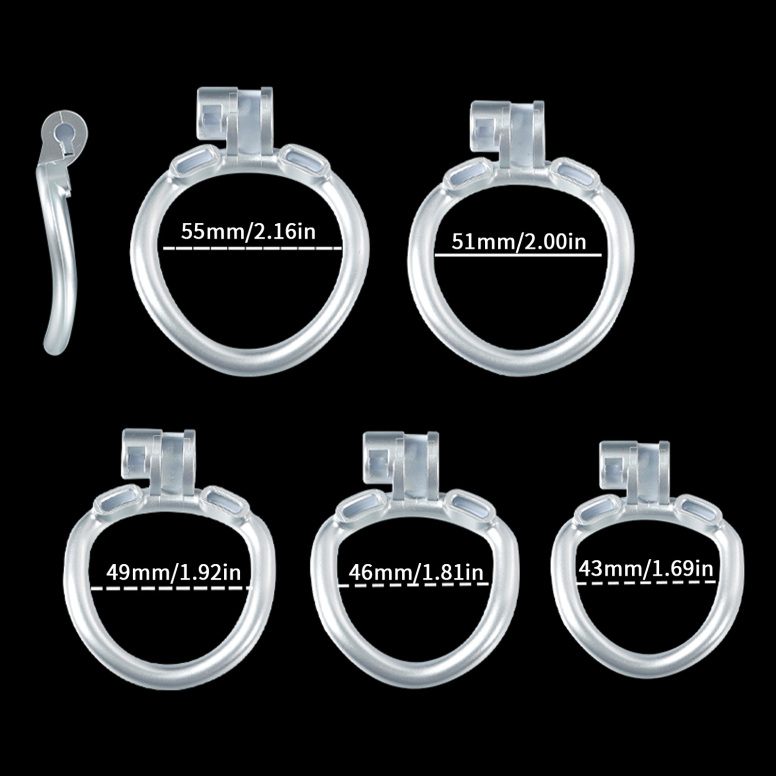
Use a soft measuring tape around the base of the penis and behind the scrotum.
Tip: If you're between sizes, opt for a slightly larger size for added comfort.
Measure from the base to the tip when the penis is completely flaccid.
The space between the ring and cage should allow proper circulation.
Beginners often face discomfort due to minor mistakes. Here's how to solve them:
If you feel numbness or constant pain, remove the cage immediately and remeasure.
When shopping for the best plastic chastity cage for beginners, focus on comfort and hygiene features:
Transparent or frosted designs also help monitor hygiene without needing to remove the device.
If you're unsure which material fits your needs, compare before buying:
| Feature | Plastic Cage | Metal Cage |
|---|---|---|
| Weight | Very light | Heavier |
| Comfort | Soft edges | Rigid feel |
| Hygiene | Easier to clean | May trap heat |
| Travel safety | Airport-friendly | Triggers alarms |
| Cost | Low to mid | High |
| Ideal for | First-timers | Experienced users |
Beginners should always start with plastic chastity devices to learn proper fit and hygiene.
These steps make long wear safer and more enjoyable.
If something feels wrong, act early.

Always buy from trusted sellers who offer:
Look for CE or SGS certification when available. High-quality materials reduce the risk of infection and allergic reactions.
You can find a wide range of plastic chastity cages for beginners online. Look for listings that include:
Example: 3D printed beginner chastity cage kits with four rings and an elastic belt are ideal starter sets — lightweight, easy to clean, and secure.
After 2–4 weeks of consistent short-term use:
Plastic remains the best starting point — easy to use, safe, and forgiving for mistakes.
Q1: What if I get an erection while wearing it?
Minor swelling is normal. If pain occurs, remove it and remeasure your cage length.
Q2: How long can I wear a plastic chastity device?
Start with 2–4 hours daily, then gradually increase to 8–12 hours per day.
Q3: Can I sleep wearing it?
Not during the first week. Wait until your body adapts.
Q4: Is plastic safe for sensitive skin?
Yes, if made from medical-grade ABS or TPE plastics.
Q5: How do I clean it?
Rinse with warm water and mild soap daily; avoid alcohol or harsh cleaners.
A plastic chastity cage for beginners helps new users experience security, discipline, and comfort at their own pace. Measure correctly, select ergonomic materials, and prioritize hygiene. Once you feel confident and comfortable, you'll know exactly when to move up to advanced models.
At RupiPi Chastity, your first chastity cage should never be your worst one.
Our beginner-friendly designs are soft, breathable, and made for daily wear — whether you’re working, sleeping, or exploring your new lifestyle.
Thousands have started their journey here.
For them, comfort was the first step toward real control.
Now it’s your turn.
Explore our Beginner Comfort Collection
Designed for everyday wear
Discreet worldwide shipping
Made from 100% body-safe materials
Comfort is power. Own it — today.