
Choosing the best material for a chastity cage is one of the most important decisions for long-term comfort, safety, and satisfaction. Each option comes with unique strengths and weaknesses, and finding the right balance can transform the overall experience. This guide explores the most common materials in detail, comparing durability, comfort, hygiene, and practical use so you can make an informed choice. On rupipichastity, we believe material knowledge is just as important as design when selecting the right device.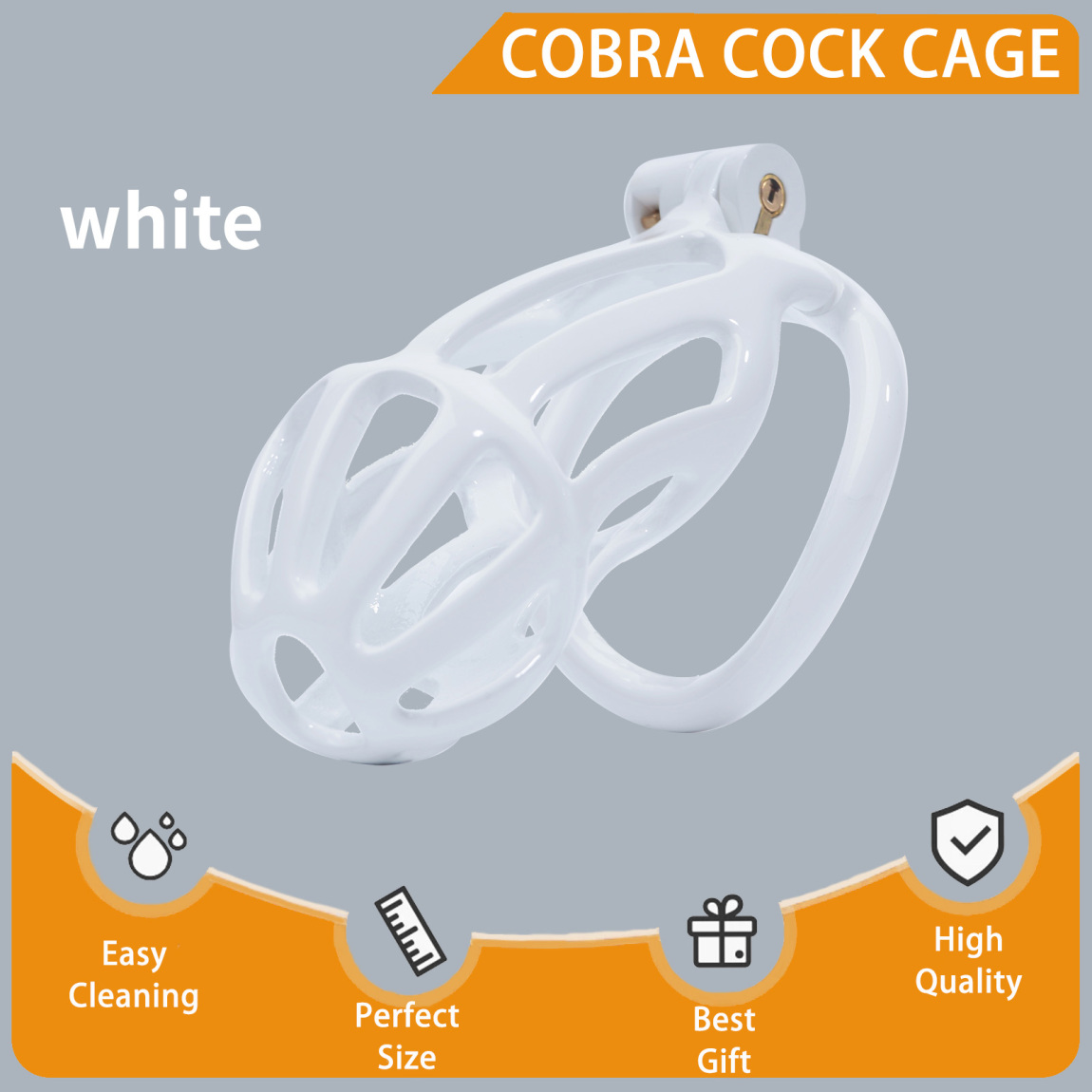
The material is not just about looks. It affects:
Weight – how heavy or light the device feels.
Breathability – airflow and skin comfort during wear.
Durability – how long it lasts under regular use.
Safety – whether it irritates sensitive skin or causes allergic reactions.
Discretion – how visible it is under clothing or during airport checks.
Selecting the best material for a chastity cage means making wise choices based on your lifestyle, skin sensitivity, and personal preferences.
Plastic designs are lightweight, discreet, and often beginner-friendly. They are affordable and easier to wear for longer periods.
Very light and comfortable.
Affordable and easy to replace.
TSA-friendly for travel.
Less durable than other materials.
It can stain or develop odors over time.
May not feel as secure as metal.
Plastic is often considered a starting point for those exploring chastity for the first time.
Stainless steel and titanium are known for strength, hygiene, and a sense of permanence. They provide a serious, long-term solution.
Highly durable and long-lasting.
Easy to clean and sanitize.
Gives a strong sense of security.
Hypoallergenic grades available.
Heavier, which some may find uncomfortable.
More expensive than plastic.
May set off airport scanners.
For many, metal remains the gold standard when looking for the best material for chastity cage, especially for those with experience.
Silicone and thermoplastic elastomer (TPE) are flexible, soft, and skin-friendly. They offer a very different feel from rigid designs.
Gentle on sensitive skin.
Lightweight and flexible.
Comfortable for beginners or short-term wear.
Less secure compared to rigid options.
May wear out faster.
It can trap heat and moisture.
Soft materials are perfect for comfort seekers, though they may not provide the strict control some users want.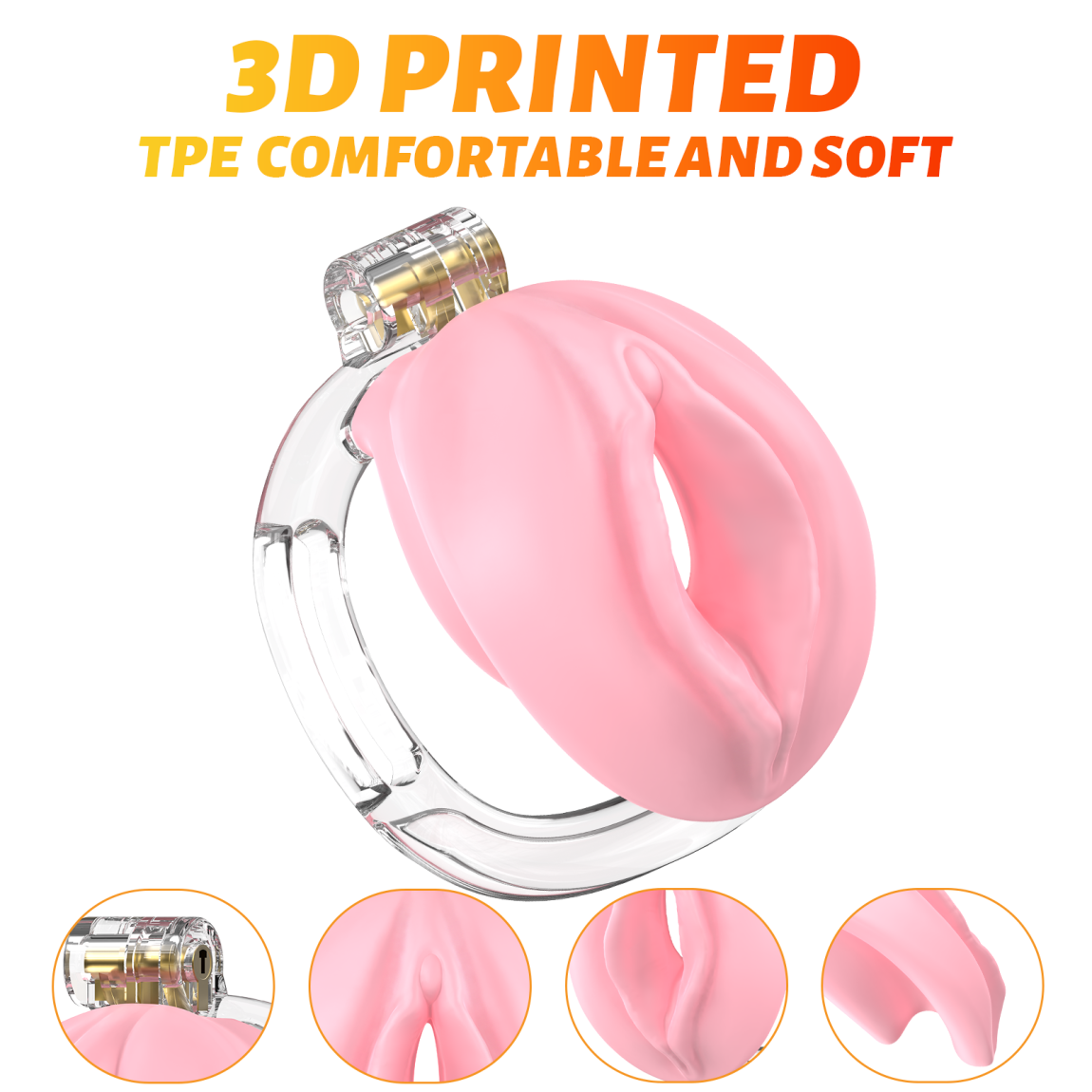
Resin and 3D-printed devices represent a new wave in the industry. They are customizable and lightweight, offering unique shapes.
Custom fits are possible with 3D printing.
Lighter than most metals.
Unique designs not available elsewhere.
Durability varies by print quality.
It can be harder to clean.
Limited availability compared to plastic or steel.
These are ideal for enthusiasts looking to experiment with innovative options.
No matter the material, hygiene is critical. Poor cleaning can cause irritation or infection.
Plastic and resin need frequent cleaning to prevent odor.
Metal resists bacteria and is easiest to sterilize.
Silicone and TPE must be cleaned thoroughly to avoid trapped moisture.
Always check for medical-grade, hypoallergenic materials, especially if you have sensitive skin.
The choice of material directly affects whether long-term wear is comfortable.
Plastic: lightweight but may rub after long use.
Metal: secure but heavy.
Silicone/TPE: soft but not breathable.
Resin/3D-Print: unique fit, durability varies.
For daily wear, the best material for chastity cage often comes down to a balance of weight, airflow, and hygiene.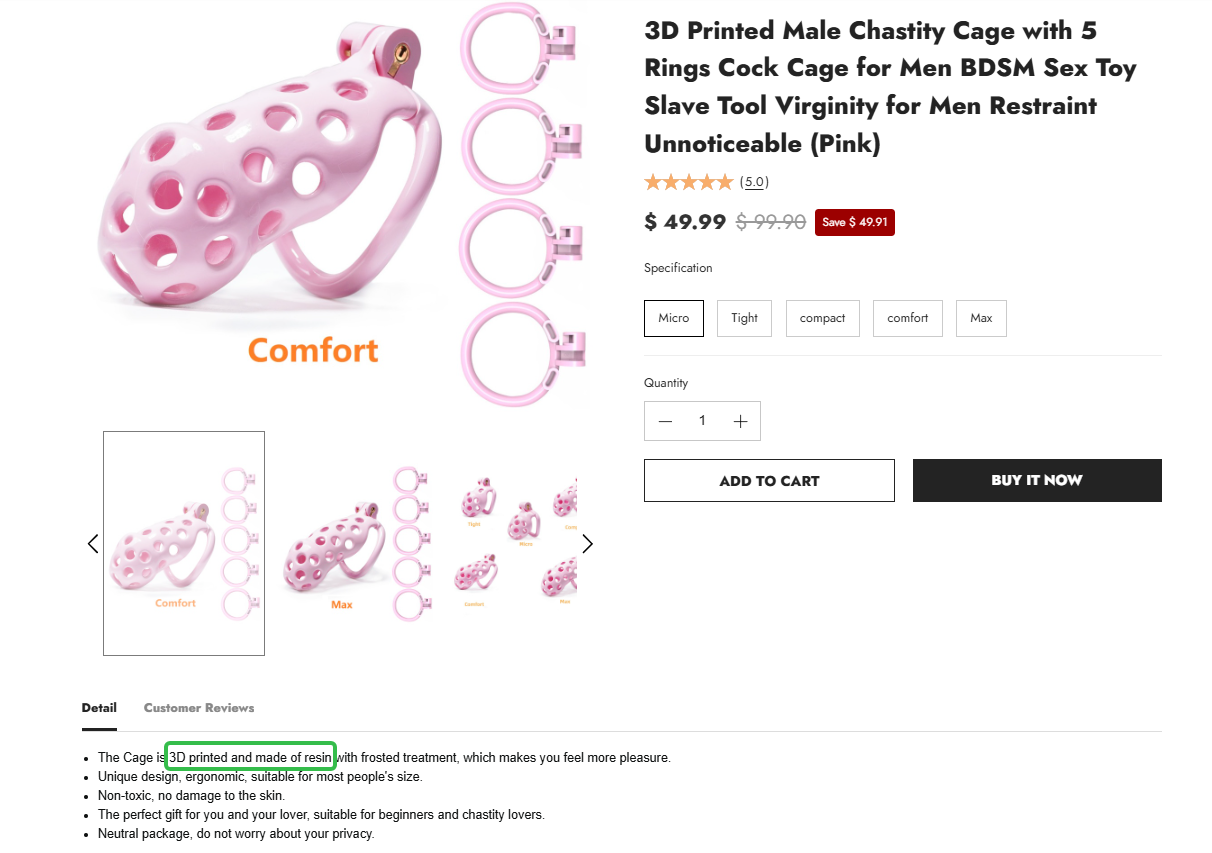
Plastic: 6–12 months with regular use.
Metal: years, even decades, if well-maintained.
Silicone/TPE: shorter lifespan due to softness.
Resin/3D-print: depends on production quality.
Metal clearly wins in terms of longevity, though plastic remains the easiest to replace.
If you travel often, material choice matters.
Plastic and resin are less likely to trigger alarms.
Metal may set off scanners and attract attention.
Soft materials are easier to wear discreetly.
Choosing the best material for a chastity cage can make the difference between stress-free travel and unwanted problems.
Plastic: affordable entry-level option.
Metal: Higher upfront cost but lasts longer.
Silicone/TPE: mid-range, focused on comfort.
Resin/3D: varies depending on customization.
Think of material as an investment in comfort and durability.
The best material for chastity cage depends on personal needs. For beginners, plastic or silicone offers comfort and affordability. For durability and strength, metal is unmatched. For innovation, resin and 3D-printed options offer customization. Each material has its place, and the right choice depends on balancing comfort, hygiene, security, and budget.
On rupipichastity, we understand that material is more than a detail—it defines the whole experience. By choosing wisely, you ensure comfort, safety, and satisfaction whether you’re exploring for the first time or seeking a long-term solution.